


Walk through a snack aisle today, and it doesn’t look like it used to. Chips and candy are still around, but they’re now competing with chickpea puffs, gut-healthy gummies, and protein-packed bars with four ingredients or less. This shift isn’t a trend; it’s a complete nutritional reset. Shoppers are making different choices now, and brands are racing to keep up.
This isn’t about slapping a “better-for-you” label on the same old product. It’s about building real value into snacks that fit how people want to eat now: cleaner, simpler, and more functional. As these options grow, they’re re-shaping how products look, how they’re displayed, and what earns a spot in the consumer’s shopping cart.
Numbers Tell the Story
Healthy snacking isn’t niche anymore. It’s mainstream and it’s growing fast. According to a 2024 report from SPINS, U.S. sales of functional snacks reached $21.5 billion, up 8.3% year over year. That includes snacks with added protein, fiber, probiotics, or adaptogens. And according to a 2023 survey by FMI and the Harman Group, 78% of shoppers say they regularly seek snacks with health or wellness benefits.
The reasons are simple. People want more energy. They want to focus without the crash. They want food that works for them, not against them. That’s why you’re seeing bars designed for sleep support, puffs made from lentils, and cookies that sneak in collagen or prebiotics.
Health alone isn’t enough, however. The brands that win also deliver on flavor, convenience, and price. If it tastes like cardboard or costs $6 a bag, it’s not going to last in today’s market. Success in this space means balancing benefits with real-world use: tossable, cravable, and still good for you.
Labels Are Getting Cleaner and Shorter
One of the clearest signals of this shift is the back of the package. Ingredient lists that once ran ten lines long are now getting cut to five or fewer. It’s not about being low-calorie. It’s about transparency. You want to know what you’re eating, why it’s in there, and how it supports your day.
That’s why phrases like “no seed oils,” “no artificial sweeteners,” and “no gums” are showing up more often. It’s also why brands are leaning into ingredients that feel familiar. Think real fruit instead of flavoring. Honey instead of sucralose. Olive oil instead of canola.
This simplicity shows up in design, too. Packaging is less busy. There is more white space and fewer flashy claims. The shoppers who are reaching for these products don’t need to be sold, they want confirmation instead. A clear label tells them, “Yes, this fits.”
Function is the New Flavor
Snacking used to be about cravings. Now, it’s also about timing. You might want something crunchy mid-afternoon that won’t spike your blood sugar. Or something chocolatey before bed that helps you wind down instead of winding up.
That’s where function comes in.
Snacks are now built with a job to do. Think magnesium-infused chews for sleep, adaptogen blends for focus, or protein crisps that hold you until dinner. They’re formulated to meet real needs, and shoppers are paying attention.
In fact, an IRI report from 2023 found that products with functional positioning (such as “immune support” or “gut health”) grew 1.6x faster than the rest of the snacking category.
What this means in practice is more crossover. Wellness brands are moving into snacks. Snack brands are working with nutritionists. And in-store, these products are getting separated by function, not format. You’re seeing “energy” or “calm” groupings, not just bars vs. bites. That helps you find what fits your life, not just what fills your hand.
Shelf Placement Is Evolving Too
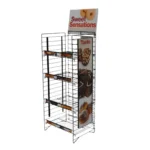
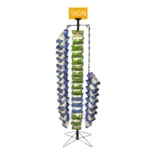
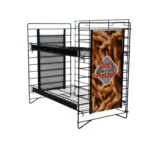
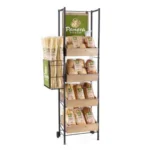
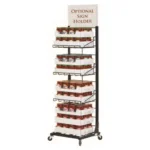
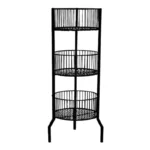
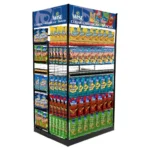
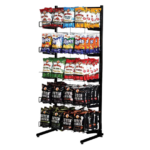
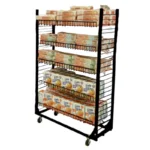
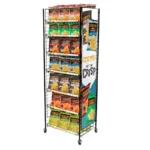
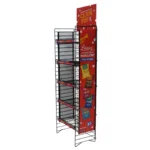
As better-for-you snacks rise, retailers are rethinking how they display them. These aren’t just products that pop off the shelf with wild colors or cartoon mascots. They win with clarity, not chaos.
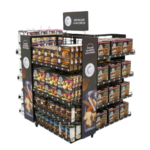
That’s why shelf design is shifting to more organized sections, clean headers like “plant-based” or “protein snacks,” and neutral tones with pops of color that feel calm and not cluttered. Shoppers want to feel like they’re making wise choices, not random ones, and how the product is framed matters.
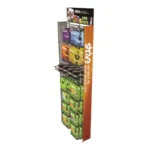
Display units are also getting smarter. Some feature screens that rotate benefits throughout the day, like spotlighting post-workout recovery in the evening, or school-safe snacks mid-morning. Others use QR codes that lead straight to ingredient breakdowns or sourcing info.
And retailers are experimenting with bundles: pairing a protein snack with an electrolyte drink, or grouping sleep-support snacks near melatonin sprays. These pairings mimic the way people think about function in their daily routines.
It’s all about flow. When displays make sense, decision-making speeds up. And that leads to higher lift for brands that know their shopper.
Who is Driving the Change?
This isn’t a Gen Z-only moment, though they’ve definitely pushed the envelope. Every shopper segment is looking for food that helps them feel better, stay focused, and keep moving. Busy parents, working professionals, teens, and even older adults are all scanning labels more than ever. And they’re not giving brands a second chance. If a product overpromises or doesn’t deliver, word spreads fast with platforms like TikTok, where real users post unfiltered reviews. The brands that stick are the ones that tell the truth and taste good doing it.
That’s part of why many newer snack brands are built direct-to-consumer first. They know the audience, they build a following, and they bring authenticity into retail. And once they hit shelves, their message stays consistent. Clean, confident, and functional.
Established brands are taking notes, too. Reformulations are happening quietly. Longstanding snacks are cutting sugar, removing additives, and redesigning packaging to compete. The new bar isn’t healthy food, but rather healthy food that isn’t trying so hard.
Better-for-you snacks aren’t a trend, but rather a new baseline. How they’re displayed, designed, and explained is what will set winning brands apart.