
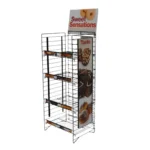
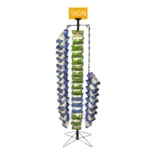
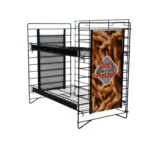
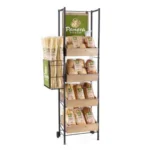
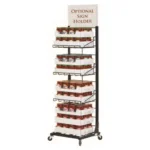
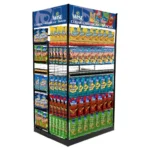
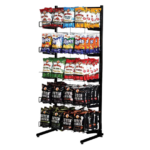
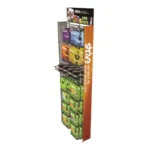
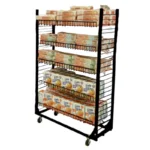
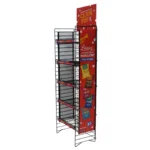

You didn’t come in for gum, or a chocolate bar, or a mini hand sanitizer, but now it’s in your cart. That moment, that small pause between grabbing the essentials and heading to checkout, is where some of the biggest decisions happen. Grocery displays, especially those built for impulse, aren’t about flashy sales tactics anymore. They’re about subtle nudges, smart timing, and reading behavior in real time.
Today’s shopper moves fast and scans faster, but the pause still exists. It’s in the waiting line, the aisle cross-section, or the spot between grab-and-go and get-out-quick. And that’s where the right display can tip the scale. When done well, these moments don’t feel like marketing. They feel like a discovery.
The Pause is Real: Understanding Micro-Moments in Grocery
You’ve seen it happen. A shopper slows near the deli, hovers by the shelf-checkout gum rack, or backpedals at the end of an aisle. That tiny pause? That’s where the decision lives. It doesn’t last long, but it’s long enough for a hand to reach out and grab something unplanned. Most impulse buys happen in under five seconds, triggered not by need but by timing and context.
In a grocery store, these moments are everywhere. They show up near fresh bakery displays, seasonal endcaps, drink coolers, or anywhere there’s a reason to stop moving. The shopper might be recalculating their list, checking a phone, or waiting for someone else. That delay opens a window, and smart displays capitalize on it.
Think about where your eyes land when you pause. It’s rarely at ankle level. It’s somewhere accessible, legible, and well lit. That’s not accidental. Behavioral researchers have studied how attention drifts in familiar spaces, and the best marketers use that insight to stage decisions. The goal isn’t to interrupt, but to align with the shopper’s rhythm.
Remember, impulse behavior doesn’t come from pressure. It comes from convenience and curiosity meeting in the right spot. That’s why strong displays aren’t loud. They’re present. They wait in the right place with the right offer, then close the gap before logic kicks back in.
Placement Isn’t a Guess
Impulse displays don’t randomly appear; they’re placed where shoppers naturally hesitate. Endcaps, end-of-checkout zones, and aisle intersections are prime real estate for the pause. Oracle research shows endcap displays drive up to a 93% increase in product exposure compared to regular shelf placement.
That uptick isn’t luck, but rather geometry. Shoppers slow down at junctions. When a display appears there with a clear offer, the decision becomes almost automatic. And when it’s easy to grab: the right size, easy to read, low fuss, then it gets chosen. Retailers know this. They’re mapping traffic patterns with thermal cameras, smart shelves, and eye-tracking tools. The insights are simple: don’t place impulse items where shoppers sprint past. Put them where shoppers pause. It’s all in the timing.
Feel First, Think Second: The Role Emotion Plays
Walk into the candy aisle or grab-and-go section, and you’ll notice something simple: impulse choices are emotional, not rational. About 66% of supermarket purchases are unplanned, according to Paco Underhill, driven by a sudden spark rather than grocery lists or logic. That jump in behavior often comes from packaging, color, or nostalgia.
Impulse displays lean into that psychology. A small basket filled with bright, single-serve treats, located next to the coffee machine, taps into both routine and surprise at once. Holiday colors evoke nostalgia without needing to be spoken. Font size, texture, and tone all work together to create a mood. If it feels fun, timely, or comforting, the shopper reacts before doubt arrives.
There’s no need for a complicated copy. A single word or bold color can do the heavy lifting as long as it generates emotion. Displays that evoke emotions become the aisle’s silent storytellers and lead to purchases.
Making the Most of Micro-Spaces
Not every display gets a full endcap or center-aisle stage. In most grocery settings, impulse wins happen in small, often overlooked corners such as the space between checkout lanes, the area near the deli case, and the side of a freezer. These are the micro-spaces where clever design can turn everyday foot traffic into real-time conversions.
The brands that perform well here understand the value of precision. They don’t need loud signage or oversized structures. Instead, they focus on relevance. A cooler clip strip with hydration tablets near the sports drinks speaks directly to someone grabbing water after a workout. A compact display featuring energy bites is positioned next to self-checkout, targeting busy shoppers who have skipped lunch. These placements don’t interrupt; they align.
This strategy is especially effective in high-frequency stores, where repeat shoppers start to tune out clutter. Micro-spaces refresh those visual patterns without taking up more square footage. And when restocking is simple, consider using magnetic headers, refillable trays, or shelf-ready packaging; then those impulse moments can occur daily, not just during launches.
Final Thought
Impulse doesn’t happen by accident. It happens when the right product meets the right moment with the right message. Shoppers are moving faster and scanning harder, which means the window for persuasion and conversion is shorter than ever. That moment might only last a few seconds, but with sharp design and smart placement, it can lead to a decision that sticks.
The best displays don’t shout. They speak clearly, right when it counts.