



The speed of everyday life is shaping what goes in the cart. People are working through lunch, snacking between meetings, and picking up dinner after soccer practice. Grocery and convenience aisles are shifting to match. Consumers want food that’s fast without being junky, fresh without being fussy, and sized right for whatever they’re doing next. In response, brands are innovating formats, packaging, and positioning in ways that reflect the new rhythms of modern life. The result isn’t just more single-serve SKUs. It’s a rethinking of how products are built, merchandised, and priced for an on-the-go generation.
Convenience Now Drives More Than Just Snacks
On-the-go used to mean granola bars and trail mix. Now it includes almost every category. From salad kits to hummus cups to ready-to-heat grain bowls, convenience is moving deeper into the grocery experience. That’s because people aren’t just looking for quick snacks. They’re looking for meals, sides, and beverages that travel with them and fit into their day without adding extra steps.
This shift isn’t a guess. According to a report from Lacerta, sandwich purchases rose by 35% across all meal occasions, with breakfast sandwiches up 44% and handheld dinner items up 39%, based on a December 2023 survey of hybrid and remote workers. This is gold for the on-the-go strategy. It shows demand is clearly moving beyond morning coffee runs into all parts of the day. Brands can lean into portable meal formats that fit real routines, with cold cuts, wraps, and handheld bowls.
Smaller Packs, Bigger Margins
The growth of single-serve and positioned products isn’t just consumer-driven. It also works from a margin perspective. Smaller packages often mean higher unit prices and better positioning as premium or specialty items. Think cold-pressed juice shots, two-bite brownie packs, or individual salad dressings with functional ingredients. When done well, these formats don’t feel stingy; they feel tailored.
Retailers are playing a role, too. Many are now setting aside more shelf space to single-serve cold cases and front-of-store snack zones. Convenience and dollar stores have followed suit, with coolers packed with yogurt drinks, pre-cut fruit, and sandwich wraps. The logic is simple: smaller packs make it easier to try something new, and they encourage more frequent purchases.
Meal Solutions
Ready-to-eat doesn’t just mean microwaveable anymore; it means that something can be opened, eaten, and tossed without needing much prep. Brands like Kevin’s Natural Foods have capitalized on this with protein-forward meals that can be heated in minutes, no chopping or sauce packets required. Others, like Daily Harvest and Freshé, offer shelf-stable, travel-ready bowls made with clean ingredients and global flavors.
Even legacy brands are adapting. Campbell’s Go Cups, Hormel Compleats, and Healthy Choice Power Bowls are just a few examples of legacy lines refreshed to meet the moment. Their packaging is less about pantry stocking and more about portability and portion control. That shift is helping established brands stay relevant with younger consumers who care less about cooking and more about convenience without compromise.
Innovation Without the Fridge or Microwave
Not every on-the-go moment happens near a microwave or a cooler. That’s why shelf-stable innovation matters too. Portable, no-refrigeration-needed items are key to expanding access and staying relevant in convenience retail, travel centers, and office snack programs. Brands like RXBAR and That’s It have built entire platforms on portable nutrition with clean labels, but the trend is spreading.
New formats are emerging, like drinkable soups, pre-cooked pasta pouches, and rice cups that don’t require water. These solve for speed, yes, but they also solve for space. Consumers who commute, travel, or live in small apartments often don’t have room for full meal prep. A flexible pouch with whole grains and flavor-forward sauce makes more sense than a frozen entrée that needs twenty minutes and a clean pan.
Designing for Hectic, Mobile Lifestyles
Packaging plays a role in the on-the-go product’s success. Packaging that works in motion is more and more desirable in today’s hectic world, and for many, a mobile lifestyle. Resealable, spill-proof, and easy to hold in one hand are all important designations for many consumers. Think of how drinkable yogurt changed the dairy aisle. Or how resealable jerky bags allowed for portioned protein without waste.
Design matters here, as well. If something feels messy or complicated, it loses appeal fast. That’s why packaging formats like squeeze pouches, telescoping lids, and tear-away snack cups are rising. Even something as simple as having a clear window to show what’s inside can influence impulse grabs. For shoppers in a rush, visible quality beats clever copy.
Strategic Merchandising for the On-the-Go Moment
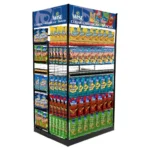
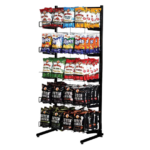
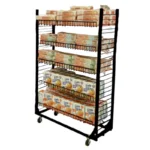
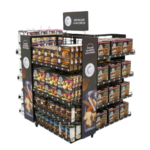
How and where these products are merchandised matter just as much as what they are. It’s no coincidence that refrigerated protein snacks are often near bottled drinks or that single-serve meals sit close to microwave stations in office parks. Retailers are thinking like convenience designers, building zones that reflect the shopper’s actual journey.
Wawa has reconfigured sections of its stores to group grab-and-go items like drinks, protein snacks, and utensils where foot traffic moves fastest. That layout shift turns convenience into a feature, not a compromise. In traditional grocery stores, those changes show up in endcaps that double as cooler bins, stocked with single-serve options from emerging and regional brands.
Store brands are responding, too. Kroger’s Simple Truth and Target’s Good & Gather have expanded their offerings of individually portioned snacks, heat-and-eat bowls, and pre-washed fruit packs that combine health cues with ease. These are part of a larger merchandising strategy built around real-life use cases. When a shopper sees a cooler with sparkling water, a protein pack, and a hydration shot, it frames a story. This kind of bundling, based on occasion rather than category, is what’s driving smart on-the-go placement today.
Looking Ahead
The most successful on-the-go products remove friction. They don’t ask consumers to sacrifice freshness, flavor, or quality for the sake of speed. Instead, they deliver on both. That balance requires more than just repackaging a full-size item into a mini. It means designing for a movement and not for an SKU.
As more consumers adopt fluid routines and blended work/life schedules, the demand for these types of products will only grow. Brands that succeed will be the ones that understand this new context of eating.
On-the-go isn’t just a format shift, but a reflection of how people are now moving through the world.