








They used to live near the checkout or next to the motor oil. Now they’re getting their own category signs. Meat snacks have quietly become one of the fastest-moving segments in retail, blending convenience with protein and outpacing old assumptions about who buys them and why. What started as a grab-and-go item for road trips has moved into grocery baskets, gym bags, and lunch rotations across every demographic.
The growth hasn’t just come from marketing. It comes from real shifts in consumer behavior, snacking up, sugar down, and protein as a daily baseline. That shift has created space for more SKUs, more formats, and smarter display decisions. It’s also forced retailers to rethink how they shelf, stock, and position a product that no longer fits into a single box.
The Numbers Behind the Growth
Meat snacks aren’t riding a trend. They’re building a category. Over the past few years, what was once a narrow, convenience-driven product line has grown into one of the most consistent performers across retail channels. According to NielsenIQ, U.S. meat snack sales reached $4.9 billion in 2023, with year-over-year growth consistently outpacing that of other salty snack segments. That growth isn’t just coming from C-stores. It’s also available in big box, natural, and club formats.
Part of what’s driving the numbers is how well meat snacks fit into changing eating habits. People are snacking more, eating smaller meals, and looking for options that feel both satisfying and functional. High protein, low sugar, and ingredient transparency have made meat snacks a natural fit for shoppers who want quick energy without the crash. That combination has helped the category pull in a broader base, beyond truck stops and gym bags, into grocery carts and office drawers.
Brands have responded by expanding the landscape. You’re no longer looking at two flavors of jerky on a peg. Now it’s grass-fed, bison, wagyu, turkey, plant-based, and whole muscle cuts sitting side by side. That kind of diversity pulls in new consumers while creating real questions about placement, packaging, and in-store visibility. Retailers who used to think of meat snacks as a secondary impulse item are now treating them as a standalone destination.
Even in a tight economy, the category has stayed resilient. Where shoppers might trade down in other aisles, meat snacks have maintained velocity. That consistency, especially in premium SKUs, shows that people aren’t just buying the product, but they’re buying what it solves: protein without prep and variety without effort.
The Format Shift Is Real
Jerky still headlines the category, but it’s no longer the only story. As demand grows, brands are getting clearer about how and where they innovate. What used to be a uniform shelf of plastic peg bags now includes bite-sized cuts, sticks in snackable sleeves, charcuterie-style kits, and resealable packs designed for repeat use.
This shift isn’t just about novelty. It’s about aligning form with function. Shoppers reaching for meat snacks aren’t all doing the same thing. Some are grabbing fuel between meetings. Some want a portion-controlled post-workout boost. Others want a clean snack to throw in a lunchbox or take on a flight. That range of use cases demands formats that reflect real behavior, not just branding.
Take Duke’s Shorty Sausages, for example. Their resealable bag and mini size meet the snacking brief without overcommitting the buyer. Epic Provisions pushes into the portable protein bar space, using meat as the base instead of grains or dates. Meanwhile, Lorissa’s Kitchen taps into the lunch-and-leisure crowd with marinated strips that skew more gourmet than gas station. These aren’t variations for the sake of variety. They’re responses to genuine shifts in snacking preferences and pace of life.

Beyond the Peg: Rethinking Display Strategy
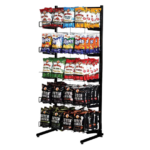
The pegboard has had a good run, but it’s no longer enough. As meat snacks diversify and draw more mainstream traffic, the way they show up in-store needs to evolve, too. The standard hanging bag isn’t always the best tool for visibility, especially in crowded aisles or multi-category displays. Brands are starting to take cues from other snack segments and rethink how products live on the floor.
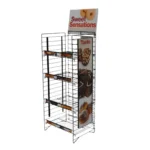
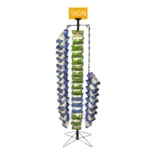
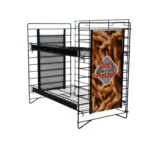
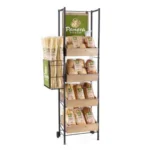
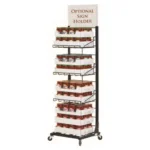
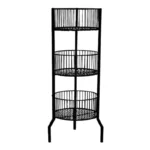
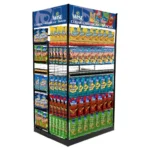
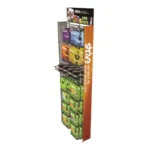
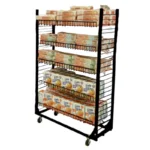
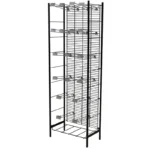
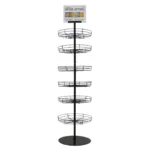
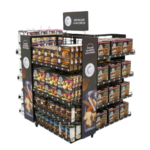
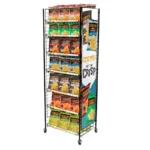
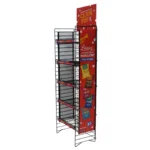
That shift shows up in countertop displays, floor shippers, and modular racks that can be moved and restocked quickly. Some brands are leaning into gravity-fed solutions that keep products organized while signaling freshness and motion. Others are experimenting with lower-profile trays and basket-style bins that encourage shoppers to grab without scanning every SKU. The goal isn’t just better presentation, it’s smoother replenishment and easier shopping interaction.
A display only works if people notice it. That means it needs to be placed where attention is already happening. At one national grocer, a meat snack brand saw a 22% lift by positioning a secondary rack near bottled water instead of snacks. In another example, a major convenience chain added a vertical stand inside the cold vault area, turning what used to be a single-SKU peg into a six-SKU destination that lived next to energy drinks and high-protein smoothies. The placement “clicked” with how people shop.
Display messaging is changing, too. Instead of pushing “jerky” or “protein,” brands are using more specific claims: “zero sugar,” “keto-friendly,” or “grass-fed.” These cues tell a story fast, especially for shoppers scanning the aisle with a purpose in mind. With so much noise in the snack aisle, clarity always beats creativity.
The Takeaway
Meat snacks earned their space by evolving with how people eat, shop, and refuel. What used to be a niche product now has staying power and a growing footprint. That shift touches everything from packaging to placement, and the brands leaning in are now seeing returns. Realtors are learning to treat meat snacks like a mainstay instead of an afterthought. As the category grows, so do the expectations surrounding its in-store presence.
The meat snack aisle may have started as an add-on, but it’s become a must-have retail destination.