



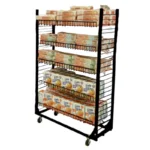

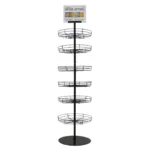
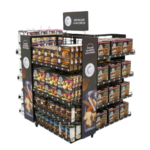
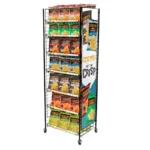







In-store shopping didn’t disappear. It was simply overlooked as digital platforms grabbed all of the attention. Now it’s finding its way back, not with splashy headlines, but with a steady kind of confidence. One surprising sign? Barnes & Noble is opening 60 new stores. Not closing, not consolidating. Opening. And not as a throwback, but as a forward-looking retail strategy.
It’s a reminder to retailers that people still want to be in stores when the experience feels right. When there’s room to browse, to discover, to slow down, or a few minutes. At Bordertown, we’ve seen firsthand how brands are rethinking their spaces to make those moments count.
What Barnes & Noble Got Right This Time
A few years ago, Barnes & Noble looked like another casualty of digital retail. Sales were slipping, stores felt stale, and the narrative around bookstores in general leaned toward decline. Then something shifted. Under new leadership, the company stopped trying to copy Amazon and started paying closer attention to what its in-store experience could do that a screen never would. It worked.
Instead of doubling down on scale, they downsized strategically. New stores are smaller, more focused, and designed for browsing. Tables are curated by people who read the books. Local staff have more say in how displays are arranged and what gets featured. That cahnge in rhythm gives each store a different feel, shaped by the neighborhood it sits in.
They also stripped away the clutter. Gone are the oversized displays, corporate posters, and cookie-cutter signage. In their place: open space, clear tables, and more room to linger. The result isn’t just more foot traffic, it’s more attention per square foot. According to company reports, same-store sales have increased, and physical book sales have also risen nationally. That growth isn’t just about books, it’s about what the in-store experience delivers when it’s built around time and curiosity instead of volume.

What Shoppers Still Want From Physical Retail
Online shopping may be fast, but it doesn’t scratch every itch. There’s still a draw to walking through a store, picking something up, and letting a display catch your eye. Not everything about shopping is goal-oriented. Sometimes you want to find something you didn’t know you needed. That kind of discovery is harder to build into an app.
Shoppers still want to touch what they’re buying. They want to flip through pages, compare textures, check packaging in real life. That’s not limited to books. You see the same thing in categories like home goods, skincare, and food. Items with shape, weight, or scent tend to perform better in person because they engage more than just your screen-scrolling finger.
A strong physical layout adds another layer: pacing. Instead of forcing shoppers through an endless feed, a well-designed store offers a sense of pause. That rhythm encourages browsing. It leaves room for impulse, curiosity, and wandering: things online platforms struggle to replicate.
Younger shoppers aren’t immune to this. Despite growing up online, Gen Z and Millennials report higher satisfaction from in-store purchases when the space feels intentional. A 2023 survey by Raydiant found that 70% of consumers still prefer to purchase certain products in physical stores, even though they regularly shop online. It’s not about loyalty to one form of shopping, but rather about the shopping experience.

What Retailers Can Learn From the Shift
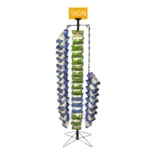
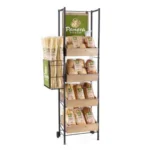
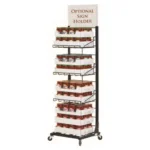
The return of in-store shopping doesn’t mean going back to how things used to work. It means paying closer attention to the details that shape how people move, pause, and decide. That starts with layout. Instead of rigid aisles or grid systems, more stores are leaning into flow-based design. Open sightlines, modular shelving, and seasonal rotation zones make it easier for the space to stay fresh.
Flexibility matters. Instead of anchoring fixtures permanently, many brands are shifting towards systems that can adapt week to week. That agility isn’t just for merchandising teams; it lets local staff respond to trends or inventory shifts without waiting on corporate direction. Stores can change overnight if they need to. That kind of responsiveness used to be rare. Now it’s becoming standard.
Display strategy is following the steam track. Minimalism isn’t about blank space. It’s about clarity. Shoppers don’t want to fight through a visual maze to find the offer. The most effective displays are ones that speak plainly and stop movement without shouting at shoppers.
Investment is moving in this direction, too. A report from JLL showed that 75% of retailers plan ot increase spending on in-store upgrades in 2024. That includes everything from lighting to fixtures to improved circulation paths.
Letting Local Teams Lead the Experience
The design changes at Barnes & Noble matter, but the cultural shift inside the stores might matter more. For years, the company operated on a centralized model. Floor plans, product picks, and displays were often dictated from the top. That changed. Under new leadership, managers now have more control. They chose many of the books on display. They decide how tables are arranged. And they know their shoppers by name.
This model puts trust back in the people who run the store every day. The result isn’t just better curation. It’s a better connection. Shoppers can ask a real person what to read next, not rely on a banner ad or recommended algorithm. That kind of interaction feels rare now, which makes it more valuable.
That kind of local autonomy works best when store teams have the right tools at their fingertips. Display partners who understand how to support flexible layouts, small-format merchandising, and quick seasonal swaps can make a big difference. The goal isn’t to standardize the look. It’s to give staff a reliable framework they can adapt without slowing down.
When local teams can collaborate with people who know how to translate strategy into physical space, the result feels less like a rollout and more like a conversation. Stores stay nimble, displays stay fresh, and the in-store experience continues to evolve in step with the neighborhood around it.
Our Takeaway
The return of in-store shopping isn’t about going backward. It’s about building something that feels more human, more flexible, and more grounded in how people move through space. Barnes & Noble’s quiet expansion is a sign of what’s possible when physical retail stops trying to copy digital and starts doing what it does best. Stores that adapt their design and displays are the ones writing the next chapter.
Retail isn’t rebounding. It’s evolving, by design.