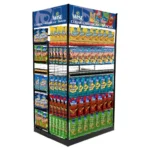

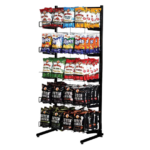
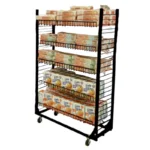




Gen Z doesn’t just care about what’s inside the package. They care about where it came from, what it says, and who’s behind it. That shift isn’t just noise from social media. It’s showing up in real ways across the CPG shelf with fewer buzzwords, tighter storytelling, and products that match what younger shoppers want, not what legacy brands think they want.
For brands paying attention, this is an opportunity to reset. Not with gimmicks, but with products and displays that speak clearly, feel relevant, and don’t try too hard. The impact is already visible in how new SKUs are being developed, marketed, and displayed on shelves.
Values at the Center
For Gen Z, a product isn’t just something to buy. It’s a symbol that signals their identity, beliefs, and shared values. This generation shops with intention, scanning for ethical sourcing, clean ingredients, climate footprint, and brand transparency before they ever check flavor or price. According to a First Insight report, 73% of Gen Z consumers are willing to pay more for sustainable products. That number jumps when the packaging and in-store messaging clearly back it up.
It’s not about performative green tags or one-time charitable tie-ins. Gen Z has seen brands try to fake it, and they’ve built radar to spot that quickly. When a product claims sustainability or social purpose, it had better be built into the business and not just on the box. This applies across categories, from beverages and snacks to personal care and cleaning.
Brands trying to resonate here have started moving the big messages front and center. Certifications like “climate neutral” or “B Corp” show up in larger font. Recycled content isn’t hidden in fine print. Even displays are carrying more story-driven messaging, tying product choice to bigger outcomes.
In-store, this means shelf space can’t be generic. It needs to echo the clarity of what’s online. A cluttered or vague display loses Gen Z fast. They aren’t looking for perfection, but they are looking for proof.
Function Over Flash: The Rise of Purposeful Products
Gen Z isn’t snacking for the sake of it. They’re choosing food and drinks that fit into their daily goals, like more energy, better sleep, sharper focus, and quicker recovery. A 2024 Mintel report found that 68% of Gen Z consumers prioritize functional benefits when choosing food and beverages, with hydration, immunity, and focus topping the list.
This isn’t about clever slogans or overdesigned packaging. It’s about telling the truth quickly. Shoppers want the benefit to be obvious, not buried in fine print. That shift is changing what brands put on the front of the label and how they design their in-store presence. If a product doesn’t clearly say what it’s solving for, it gets passed over. Simplicity is what earns the scan.
New Channels, New Pressure
Gen Z shops everywhere. That includes grocery, convenience, online, and direct-to-consumer, but their expectations stay high across the board. According to a 2024 NIQ Omni Shopper report, many Gen Z buyers expect a consistent brand experience whether they’re shopping in-store or online.
That puts real pressure on displays. If the visual language doesn’t match what they’ve seen on TikTok or a mobile ad, the trust gap widens. Packaging, signage, and layout have to feel connected, not cobbled together. Brands used to treat in-store execution as the final step. Now, it’s often the first physical impression.
Physical Retail as a Trust Touchpoint
For a generation raised online, physical retail might seem secondary, but it’s not. Gen Z still shows up in-store, especially when they want to try something new. According to a 2023 Faire survey, Gen Z shoppers prefer to make CPG purchases in-store rather than online when trying a product for the first time.
That amount of discovery can’t be fumbled. Displays aren’t background. Their context. They shape how trustworthy a product feels, how clear the promise is, and how confident the shopper becomes. In an era where misinformation moves fast and algorithms curate what you see, a real-world display still holds weight. Done well, it doesn’t push. It proves. And for Gen Z, that’s where brand credibility begins.
The Influence Loop
You won’t find the full shopper journey on a sales report anymore. It plays out across videos, comments, screenshots, and search bars. A single post can make someone walk into a store looking for a product they’ve never tried, just because they saw it in someone’s hand during a gym check-in or skincare routine.
The smartest brands are designing with that loop in mind. When the display in-store mirrors the content someone scrolled past last night, it clicks. The color scheme matches. The copy feels familiar. This is about building displays that go viral, but about creating physical moments that continue the story. If someone wants to snap a photo or shoot a video of it, that’s a win. If they just grab it and walk off without a second guess, that’s a win too.
Retailers are catching on. They’re asking for assets that feel more like content and less like sales tools. Less stock photography and more real moments. That might look like lifestyle clips pulled from a campaign’s social launch, quick-scan QR codes that lead to UGC, or endcap signage designed with the same fonts and tone used in the brand’s feed.
The Takeaway
Gen Z isn’t asking brands to reinvent the aisle. They’re asking for consistency between what they see online and what they find in person. The brands that are winning right now aren’t the loudest or the flashiest, but they are the clearest.
When display and design reflect the way this generation shops, trusts, and decides, the connection doesn’t have to be forced. It feels obvious.