


Personalization in CPG isn’t a trend. It’s a response. Today’s shoppers are wired to expect relevance. From playlists to meal kits, they’ve been conditioned to assume that what shows up is meant for them. That expectation now follows them into the grocery aisle. Generic messaging doesn’t land the way it used to. Shoppers want to feel seen, and not in a broad “you’re unique” kind of way, but in the way a product speaks to their lifestyle, their values, or their daily routine.
Beyond the Name: What Personalization Means Now
Once, personalization meant printing someone’s name on a bottle or adding “for you” to a retargeted ad. It felt novel for a moment, then predictable. Today’s shoppers expect brands to know more than their name; they expect them to know their needs, their pace, their climate, and sometimes even their mood.
In the CPG space, personalization is no longer surface-level. It’s product drops that align with seasonal routines. Its flavor extensions align with regional preferences. It’s bundle kits that change depending on whether you’re shopping in a city or a suburb. What used to be brand-wide campaigns are now micro-campaigns that flex by channel, zip code, and even store.
Take, for example, how some beverage brands now tailor their hydration messaging to specific times of day and regions. In hotter climates, displays pivot to sweat-loss recovery. In colder ones, it’s energy and immunity. These cues don’t shout the shopper’s name. They speak to the shopper’s situation. The difference is subtle but powerful, and it earns attention because it feels relevant, not performative.
There’s also a shift in tone. Younger audiences, especially Gen Z, have strong filters for anything that feels algorithmic or forced. The personalization that works best doesn’t try to be clever. It shows up with accuracy. The right format, the right flavor, the right size.
Displays That Speak Directly
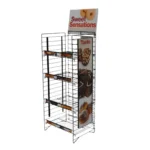
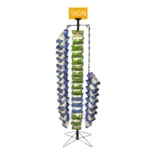
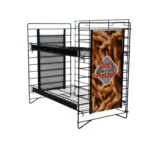
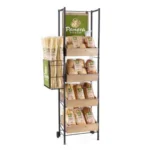
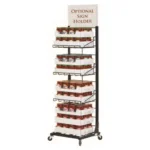
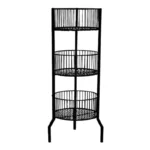
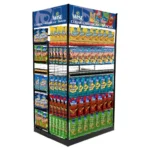
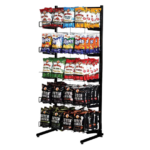
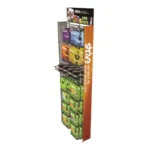
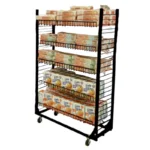
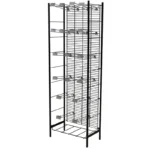
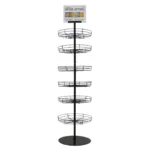
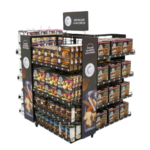
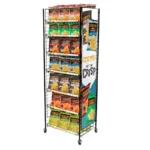
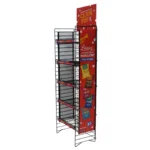
Personalization doesn’t stop at the product. It extends to how and where that product appears. In-store, this means displays are doing more than holding inventory. They’re telling micro-stories: stories that shift by neighborhood, shopper profile, and even time of year.
A single display unit might hold the same SKU, but the way it’s framed changes everything. In a college town, it highlights late-night energy. In a wellness-focused suburb, it emphasizes clean ingredients and mental clarity. The product stays the same. The message meets the moment.
Some retailers are testing digital shelf tags and dynamic signage that adjust messaging in real-time. Others are leaning on modular kits that allow the same brand to show up in a dozen different ways across store formats. These builds aren’t static. They’re designed to flex, not to impress, and they do their job when the shopper doesn’t have to think twice.
The Role of Data Without the Creep Factor
Personalization runs on data, but there’s a fine line between helpful and too much. Shoppers don’t want to feel tricked. They want to feel seen. The distinction matters, especially in-store, where the experience is more tactical than digital.
Retailers are shifting their focus from one-on-one targeting to aggregate insights. Instead of trying to guess what an individual shopper wants, they’re looking at store-level behaviors. What’s moving in this ZIP code? What signage gets attention near the produce section? Which claims on a flavor strip lead to more conversions? That kind of data guides decisions that feel personal without feeling invasive.
Consider a tea brand that recognizes stress-relief blends tend to spike in demand at 6 p.m. in urban markets. Or sparkling water that gets double the lift when merchandised near fitness snacks on Mondays. These aren’t guesses. They’re patterns. And when display teams use patterns to inform layout, messaging, and timing, the results feel tailored but not targeted.
This is where the best retail personalization lives. It doesn’t require loyalty apps or eye-tracking. It reads the room and responds in kind. When the message fits the moment, the customer doesn’t feel surveilled but rather understood.
Execution Is Critical
You can have the right message and the right data, but if the execution falls flat, the connection doesn’t land. Personalization only works when it’s delivered clearly and confidently, especially in the middle of a crowded aisle.
That’s why display strategy matters. A brand might have a great value prop, but if it’s buried under clutter or locked inside a QR code, shoppers won’t pause long enough to care. The best executions don’t rely on shoppers doing extra work. They put the insight right in front of them with materials that are easy to restock, formats that match the space, and messaging that stands on its own without explanation.
In practice, this might mean a hydration display placed near outdoor gear before a long weekend or a plant-based snack paired with protein claims and shelf talkers that echo language from social ads. Consistency across channels helps, too. When the visual language in the store mirrors what’s already familiar online, the leap from scroll to shelf feels natural.
Final Thought
Personalization in CPG doesn’t start with flashy tech or clever slogans. It starts with paying attention. When brands listen to what shoppers want, how they talk, and where they hesitate, the right moves start to feel obvious. A good display partner collaborates with brands to identify the moment and mindset that consumers are experiencing, and then helps them communicate effectively.
When personalization feels natural and well-placed, shoppers don’t need convincing. They’ll keep moving and nab their personalized product.